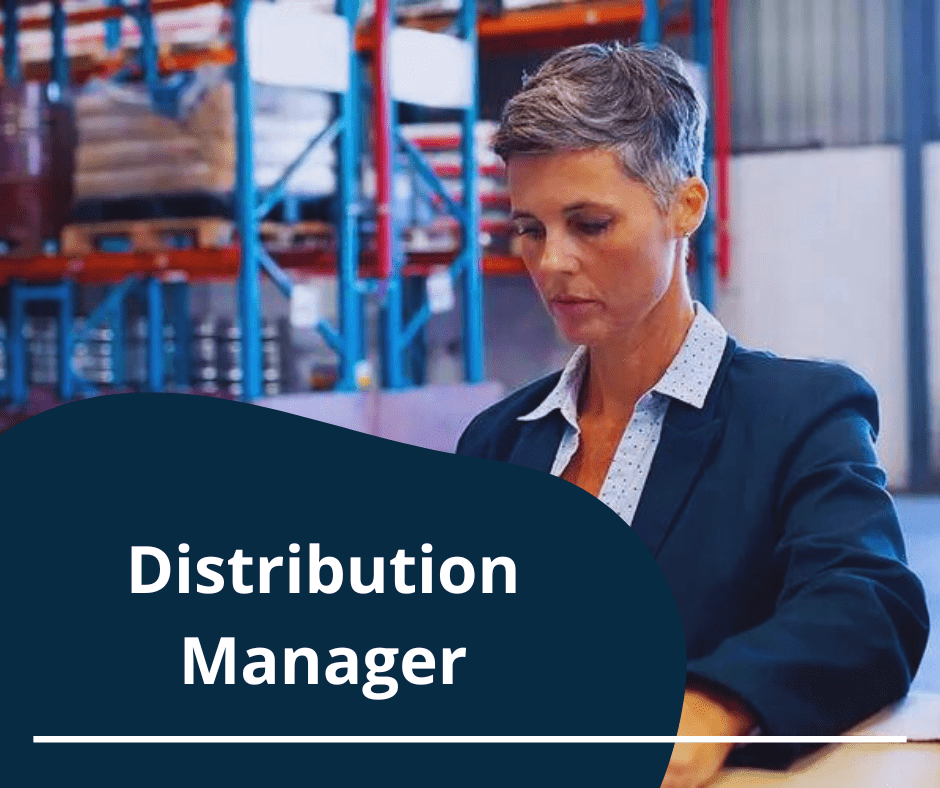
A distribution manager plays a crucial role in ensuring the smooth and efficient flow of goods and services from the manufacturer to the end consumer. Their responsibilities range from overseeing warehouse operations to managing transportation logistics, making them a vital part of any supply chain management team.
One of the primary responsibilities of a distribution manager is to manage the movement of goods from the manufacturer or supplier to various distribution centers or retail locations. This involves developing and implementing distribution strategies, coordinating with suppliers and logistics companies, and closely monitoring inventory levels to ensure timely delivery of products.
Warehouse management is another essential aspect of a distribution manager's job. They are responsible for overseeing the day-to-day operations of the warehouse, including receiving, storing, and shipping goods. This requires strong organizational skills, as well as the ability to effectively manage and optimize warehouse space.
In addition to managing the physical movement of goods, distribution managers also play a critical role in managing the associated paperwork and documentation. They must ensure all necessary customs and shipping documents are in order, and that all deliveries are made in compliance with relevant regulations and laws.
Effective communication skills are also a key requirement for distribution managers. They need to maintain clear and constant communication with various stakeholders, such as suppliers, transportation companies, and distribution center staff. This ensures that everyone is on the same page and that any potential issues can be addressed quickly and effectively.
To excel in this role, a distribution manager must have a strong understanding of supply chain management principles. They need to be able to analyze data, identify trends, and make informed decisions to optimize the distribution process. This requires not only strong analytical skills but also a keen eye for detail.
Another crucial aspect of a distribution manager's job is managing costs and budgets. They need to ensure that the distribution process is not only efficient but also cost-effective. This involves constantly monitoring expenses, negotiating rates with suppliers and logistics companies, and finding ways to optimize the distribution process without compromising on quality.
In terms of qualifications, a distribution manager typically needs a bachelor's degree in a relevant field such as supply chain management, business administration, or logistics. Previous experience in a similar role is also highly desirable. Additionally, having strong leadership and people management skills is essential, as distribution managers are responsible for overseeing a team of warehouse and logistics staff.
In conclusion, a distribution manager plays a critical role in ensuring the smooth and efficient flow of goods and services from the manufacturer to the end consumer. They are responsible for managing various aspects of the distribution process, from warehouse operations to transportation logistics. Key qualities for this role include strong organizational, communication, and analytical skills, as well as a solid understanding of supply chain management principles. For those interested in pursuing a career in this field, a combination of relevant qualifications and experience will be necessary to succeed.
Similar Careers


